Cracked Pedestals: Why Anime's Most Beloved Teachers Are Also Its Most Broken Characters
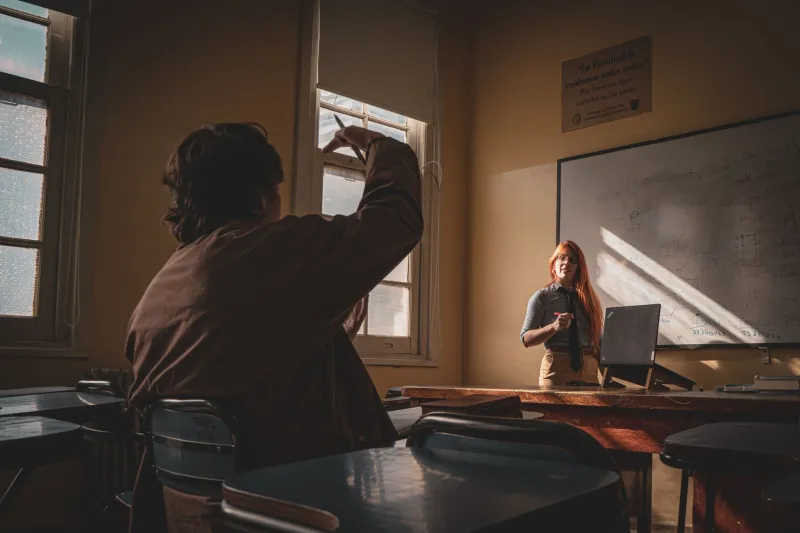
There's a version of the anime teacher we all know. Calm eyes, arms folded, a cryptic one-liner timed perfectly to the moment the protagonist needs it most. The sensei who seems to exist purely to hand wisdom down like a vending machine — insert struggle, receive insight, repeat. Clean. Efficient. And honestly? Pretty boring.
The teachers that actually live rent-free in your head? They're the ones who are clearly not okay. The ones carrying wounds they never asked their students to see, fumbling through their own failures while somehow still showing up to guide the next generation. Anime has spent decades quietly dismantling the flawless mentor trope, and the result is some of the most emotionally complex characters in the medium.
For American audiences especially — raised on a cultural cocktail of imperfect authority figures, disillusioned teachers, and very public falls from grace — these characters hit in a way that's almost uncomfortably personal.
The Myth of the All-Knowing Sensei
Let's be real: the idealized mentor is a fantasy. It's the Mr. Miyagi model, the Dumbledore model — the sage who always knows more than they're saying and is always, ultimately, right. There's comfort in that. But there's also distance. When a mentor is too perfect, they stop feeling like a person and start feeling like a plot device.
Anime figured this out early, and it's been poking holes in the archetype ever since. Consider Kakashi Hatake from Naruto — technically brilliant, deeply respected, and also a man who spent years processing survivor's guilt so severe he visited a memorial stone daily just to cope. His students didn't get the full picture of who he was for a long time. He showed up, masked and late, and did the job anyway. That tension between competence and quiet devastation is what made him compelling.
Or look at Aizawa from My Hero Academia, who weaponizes his exhaustion as a teaching philosophy, daring students to quit before he has to watch them get hurt. He's not cold because he doesn't care — he's cold because he cares so much it broke something in him. That's not a sensei trope. That's a human being.
Trauma as Curriculum
Here's what's fascinating about anime's approach to educator characters: their trauma often becomes their teaching method, whether they intend it to or not.
Jiraiya in Naruto is a case study in this. He's goofy, perverted, and seemingly carefree — until you realize everything he does is shadowed by the student he failed, the war he survived, and the world he couldn't save. When he trains Naruto, he's not just passing on techniques. He's trying to course-correct a lifetime of regret. His mentorship is inseparable from his grief.
This is true of characters like Gojo Satoru in Jujutsu Kaisen, too, though he wears it differently — with sunglasses and an almost aggressive cheerfulness that reads less like confidence and more like a man who decided arrogance was easier than vulnerability. Beneath the invincibility act is someone who watched peers die and made peace with being a weapon instead of a person. His students don't get a warm mentor. They get something more honest: a genius who's genuinely uncertain whether he's teaching them to survive or just using them to feel less alone.
Why American Audiences Are Here for the Mess
There's a reason this resonates so hard stateside right now. The American relationship with authority and mentorship has gotten... complicated. Teachers are underpaid and burning out at record rates. Coaches and public figures we grew up idolizing have turned out to be deeply flawed in ways we didn't anticipate. The idea of a perfect, all-knowing guide feels not just unrealistic but almost naive.
Anime's broken teachers meet audiences where they actually are. They say: guidance doesn't require perfection. You can be haunted and still show up. You can be uncertain and still lead. You can have made terrible mistakes and still be worth listening to — maybe especially because of those mistakes.
That's a message with real weight in a cultural moment where people are actively renegotiating what it means to trust someone in a position of authority.
The Ones Who Fail Completely (And Why That Matters Too)
Not every anime teacher gets a redemption arc, and that's important to acknowledge. Some of them fail their students in ways that don't get neatly resolved.
Dark examples exist across the medium — teachers who prioritized ideology over the kids in front of them, mentors whose damage became damage they passed down instead of processed. These characters function as a kind of cautionary honesty. The message isn't just "broken people can still guide you." It's also "broken people can hurt you, and that's worth examining."
That moral complexity is part of what separates anime's treatment of this archetype from more sanitized versions. There's no guarantee that a teacher's pain makes them wise. Sometimes it just makes them dangerous. Anime doesn't flinch from that, and it's one of the reasons the medium earns the emotional trust of its audience.
What Makes Them Worth Following Anyway
So why do we root for these characters? Why does a flawed, struggling, clearly-not-fine teacher land harder than the serene sage on the mountaintop?
Because effort is visible in a way that ease isn't. When someone who is clearly fighting their own battles still chooses to invest in someone else's growth, that choice means something. It's not automatic. It's not effortless. It's a decision made against the current of their own pain.
That's the core of what makes anime's broken mentors so enduring. They're not wise because they've transcended struggle. They're wise because they're still in it — still choosing, still showing up, still trying — and they're doing it right next to you.
Jiji-Sama has always had a soft spot for the characters who look like they've been through it. The elderly masters who earned their scars. The mentors who are clearly making it up as they go. Because honestly? In a world full of people pretending they have it all figured out, there's something quietly radical about a character who doesn't — and keeps going anyway.
The cracked pedestal, it turns out, is the most honest place to stand.