Alone on Purpose: Why Anime's Solitary Heroes Feel Like the Most Honest Characters on Screen
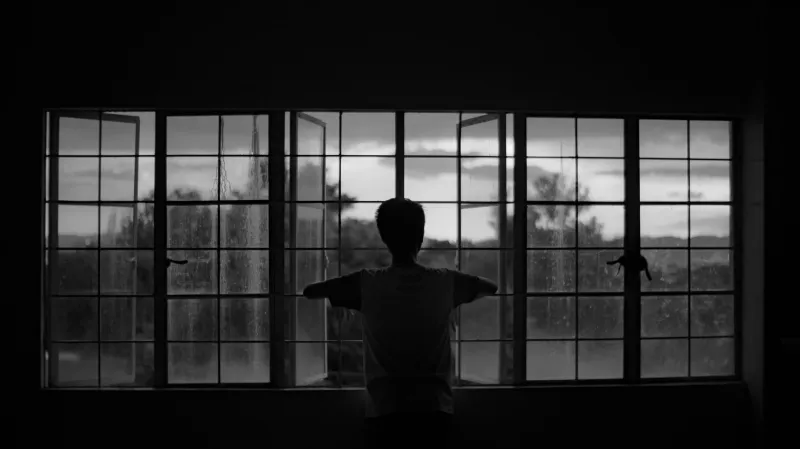
There's a specific kind of anime protagonist you've probably met by now. They sit near the window. They eat alone. Their internal monologue is more active than any conversation they'll have in the episode. And somehow — inexplicably — you can't stop watching them.
America has always had a complicated relationship with loneliness. The cultural script here says you should want connection, pursue community, fill your calendar. Solitude gets pathologized. Eating alone at a restaurant still carries a weird social stigma. And yet, anime keeps producing these beautifully isolated characters, and American audiences keep finding them, latching onto them, and quietly whispering same.
Something shifted after 2020. The pandemic didn't just change how we socialized — it restructured how a lot of us felt about socializing altogether. And when people came back to their screens looking for something that matched the emotional texture of their lives, anime was already there, waiting, with a whole genre built around the quiet dignity of being alone.
The Window Seat Wasn't an Accident
If you've watched enough anime, you've noticed the window seat is practically a character archetype unto itself. From Oregairu's Hachiman Hikigaya — who has basically written a philosophical manifesto defending his own isolation — to the soft, introspective energy of protagonists in slice-of-life series like The Tatami Galaxy or March Comes in Like a Lion, anime has spent decades building a visual and narrative language around chosen solitude.
This isn't accidental. Japanese youth culture has long grappled with concepts like hikikomori (social withdrawal) and the quiet epidemic of loneliness in hyper-connected urban spaces. Anime absorbed those anxieties and turned them into storytelling. What makes it resonate so hard with American viewers is that the isolation isn't always framed as a problem to be solved. Sometimes it's just... a state of being. One that gets to exist on screen without an intervention.
Hachiman doesn't need to be fixed. Rei Kiriyama in March Comes in Like a Lion isn't broken — he's processing. The loner protagonist isn't a cautionary tale. They're a perspective. And that's genuinely rare in mainstream American entertainment, where the arc almost always bends toward the group hug.
Found Family as a Soft Landing, Not a Cure
Here's where anime gets really interesting though: it doesn't stay in the isolation. It moves through it.
A huge chunk of the shows Americans have fallen for in recent years follow a specific emotional journey — solitary character stumbles into a found family, not because they went looking for one, but because life just kind of... deposited one in their path. Fruits Basket. Fullmetal Alchemist. Spy x Family, in its own wonderfully chaotic way. Even Bocchi the Rock!, which is essentially an extended panic attack rendered in pastel animation, ends up being about the strange warmth that comes when people find you despite yourself.
The key detail is that these characters don't abandon their solitary nature when they find their people. They bring it with them. The introversion doesn't get cured — it gets accommodated. That's a very different message than what most Western coming-of-age stories deliver, and American audiences are clearly hungry for it.
For a lot of people watching from their apartments, still recalibrating their social lives after years of distance, watching a character slowly, cautiously allow people in — on their own timeline, without being pressured — feels less like fiction and more like instruction.
The Post-Pandemic Permission Slip
Let's be honest about what happened. The pandemic gave millions of Americans an extended, involuntary experiment in solitude — and a surprising number of people discovered they didn't hate it as much as they'd been told they should. The noise dropped. The obligations fell away. And in that quiet, a lot of people figured out what they actually wanted versus what they'd been performing.
Coming out of that, there's been a real cultural appetite for media that validates a slower, more inward-facing way of existing. The explosion of "cozy" content — cozy games, healing anime, soft slice-of-life — isn't just an aesthetic trend. It's a response to collective emotional exhaustion.
Anime that centers isolation slots perfectly into that moment. When you watch Mushishi and follow Ginko wandering through fog-drenched landscapes, utterly alone and utterly at peace, it doesn't feel sad. It feels like permission. Permission to not always be reaching outward. Permission to find meaning in stillness.
Jiji-sama would probably nod slowly at this and say something like: the person who knows how to be alone is never truly lost. And honestly? That tracks.
When Loneliness Gets Romanticized (And When That's Okay)
Now, it's worth asking the uncomfortable question: is anime romanticizing something that can genuinely harm people?
Fair point. There's a version of this content that tips into unhealthy territory — stories that frame total withdrawal as enlightenment, or that make isolation look so aesthetically appealing that it discourages people from doing the hard work of building real connections. The hikikomori problem in Japan is real, and media that glamorizes it without nuance deserves scrutiny.
But most of the anime that's landed hardest with American audiences threads this needle carefully. The solitude is portrayed with honesty — including the ache of it. Hachiman's cynicism is sharp and funny, but the show never lets you forget it's also a defense mechanism built on hurt. Rei's isolation in March Comes in Like a Lion is rendered with genuine melancholy, not cool-kid mystique.
The romanticization, when it works, isn't about making loneliness look glamorous. It's about making it look valid. There's a difference. And American audiences — especially younger viewers who grew up being told that introversion was something to overcome — seem to feel that distinction viscerally.
What We're Really Looking For
At its core, the appeal of anime's isolated protagonists might be simpler than any cultural analysis can fully capture. These characters feel true. In a media landscape full of people who are relentlessly social, effortlessly charismatic, and perpetually surrounded by friends, the person sitting quietly by the window hits different.
They look like someone you might actually know. Or someone you might actually be.
And in a weird way, watching them — alone on your couch, maybe with headphones in — you're not alone at all. You're in a room full of people who also picked the window seat and never quite apologized for it.
Jiji-sama gets it. Sometimes the wisest thing a person can do is sit still, watch the light change, and let the world come to them on its own terms.
That's not loneliness. That's patience. And anime has been telling that story for decades.