The Lights Are On at 2 A.M.: How Anime Turned the Konbini Into a Second Living Room
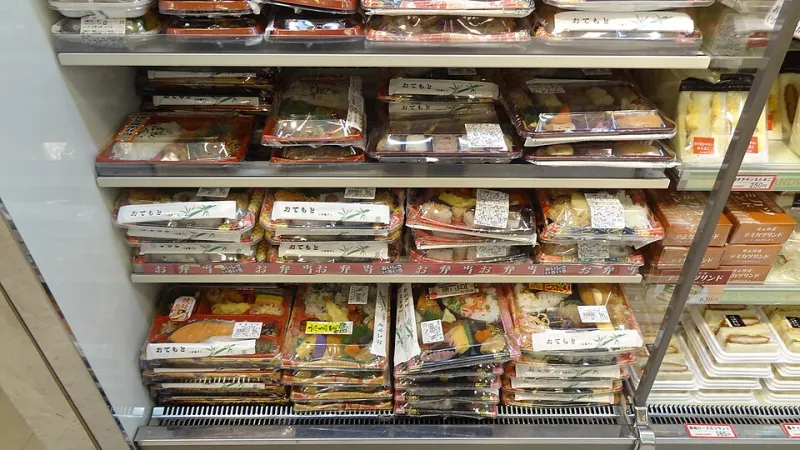
Photo: Martin Lewison, CC BY-SA 2.0, via Wikimedia Commons
There is a sound that does more narrative work than most anime openings: the two-note chime of an automatic convenience store door. You know it. A character steps in from the rain, or after a fight, or before the last train, and the lights buzz on like nothing has happened. The cooler hums. The register beeps. For thirty seconds, nobody has to be a hero, a villain, or even a person with a plan. They just have to buy something small and stand still.
That is the quiet power of the konbini in anime. It is not a food article waiting to happen, and it is not just background art. It is a pause button with shelves.
More Than a Set Piece
In Japan, the convenience store is infrastructure. It is where you pay bills, print documents, buy concert tickets, use an ATM, grab a hot snack, and discover that a stranger has already bought the last egg sandwich. Anime borrows that reality and turns it into narrative shorthand. A konbini scene tells you a lot without saying much: the neighborhood is walkable, the night is late, the character is probably hungry, and nobody is going to ask why they are there.
For American fans, that last part can feel almost luxurious. Our convenience stores are often attached to gas stations, lit like interrogation rooms, and designed for a quick exit. The anime konbini feels different. It feels like a room in the city that stays open for you, even when you have nothing to offer but exact change.
The Rice Ball Is Not the Point
Yes, the onigiri looks good. The karaage glows. The limited-edition pudding has main-character energy. But the food is rarely the point of a konbini scene. The point is the act of buying something small so you have a reason to stand still.
Anime understands that hunger is often a stand-in for something else. A character buys a rice ball after a loss because they need to do one normal thing. They buy a canned coffee before a confession because their hands need a job. They buy a magazine they do not read because the store is warm and their apartment is not. The konbini does not fix anything. It just gives you a receipt and a few more minutes.
That is why these scenes linger. They are not about convenience. They are about being allowed to be inconvenient for a moment.
Why It Feels Like Home (Even When Home Is Complicated)
Home in anime is often a loaded place. It has history, expectations, thin walls, and people who know exactly which buttons to press. The konbini has none of that. It is bright, anonymous, and predictable. The prices are clear. The shelves are labeled. The clerk is polite because that is the job, not because they have opinions about your life choices.
For US fans, especially those who grew up in car-dependent suburbs, the anime konbini can feel like a fantasy of walkable third space. It is the place you can go at midnight without needing a reason. You do not have to be a regular. You do not have to be okay. You just have to be vertical.
There is also something deeply comforting about the lighting. Fluorescent, slightly green, absolutely unromantic. It does not try to be cozy. It just is. That may be the most honest form of comfort anime has to offer.
The Clerk, the Salaryman, and the Kid Cramming
Konbini scenes are where anime's background characters get their dignity. The tired salaryman buying beer and a bento. The student with a textbook open on the counter. The hero who just lost everything and is now staring at a shelf of energy drinks like they hold the answer. The clerk, often unnamed, is the quiet witness to all of it.
The store does not ask for a backstory. It does not require a redemption arc. It just rings up the items and says thank you. In a medium full of chosen ones and world-ending stakes, that is almost radical.
A Small Act of Survival
So the next time a character slips into a konbini at midnight, pay attention. It is not filler. It is the show saying: you made it through the night, here is a rice ball. In 2026, with everything loud and expensive and exhausting, that is a comfort worth taking seriously.
Jiji would probably file it under home.