Streaming Is Free and Yet Here We Are, Spending $80 on a Blu-ray Box Set
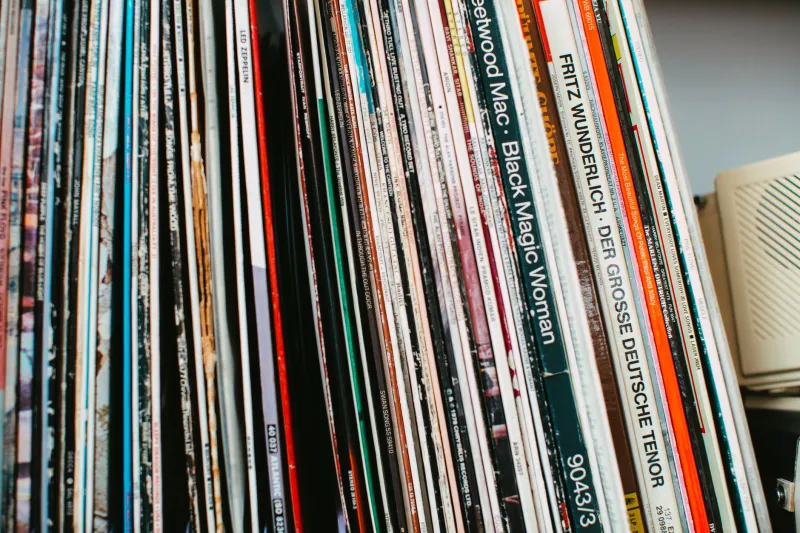
Let's be honest about something embarrassing. You could, right now, open a browser tab and watch almost any anime ever made. Legally. With subtitles. In HD. For the price of a single monthly subscription that you probably already pay. And yet — and yet — there's a good chance you've recently dropped serious money on a physical copy of something you could stream for free, or pre-ordered a limited collector's edition of a remaster you technically don't need, or paid a premium for a vinyl soundtrack pressing that your Spotify playlist already covers.
Welcome to the anime nostalgia economy. It doesn't make sense on paper. That's kind of the whole point.
The Streaming Paradox Nobody Talks About
Streaming fixed a lot of problems for anime fans in the US. No more hunting down fansubs. No more waiting for a DVD release that might never come. No more paying $30 for a single disc containing four episodes. Accessibility exploded, and the community grew with it.
But something strange happened alongside all that convenience: the desire to own things got stronger, not weaker. Physical media sales for anime have held remarkably steady — and in some collector's niches, actually grown — even as streaming libraries expanded. Limited edition releases from companies like Right Stuf (now Crunchyroll Store), Funimation, and Sentai Filmworks routinely sell out. Kickstarter campaigns for collector's editions of older titles consistently blow past their funding goals. The market for out-of-print anime on eBay is genuinely wild.
None of this is irrational, even if it looks that way from the outside.
You're Not Buying a Disc. You're Buying a Feeling.
Here's the thing about streaming: it gives you access, but it doesn't give you ownership. And those two things feel very different, even if the practical outcome is similar.
When a show lives on a streaming platform, it exists in a kind of permanent provisional state. It can be removed. Licensing deals expire. Platforms collapse or merge or quietly sunset their anime libraries. Anyone who was a big Funimation subscriber before the Crunchyroll consolidation got a crash course in just how impermanent digital access can feel. Your watchlist isn't really yours.
A Blu-ray box set sitting on your shelf? That's yours. Nobody can take it away. Nobody can remove it from your library in a licensing dispute. The show doesn't disappear when a contract lapses. There's a psychological security to physical ownership that streaming simply can't replicate, and for fans who are deeply attached to specific series, that security is worth paying for.
This is especially true for the titles that shaped people. The shows someone watched as a kid, or in college, or during a particularly formative stretch of their life — those don't feel like content. They feel like memories. And memories deserve a physical home.
Scarcity Is Doing a Lot of Heavy Lifting Here
The anime industry — both in Japan and in US licensing — has become genuinely sophisticated about scarcity marketing. Limited print runs. Exclusive retailer variants. Numbered editions. Bonus content that exists only on physical releases. Artbooks, enamel pins, acrylic standees, and mini-soundtracks tucked into oversized collector's boxes.
This stuff works because it taps into something collectors understand intuitively: scarcity creates meaning. A mass-produced item available to anyone at any time doesn't feel special. A first-press limited edition with an exclusive slipcase and a signed insert from the director? That feels like something. It feels like belonging to a smaller group of people who really cared enough to act fast.
The anime fandom's relationship with scarcity goes back decades, honestly. Old-school fans remember the era of VHS fansubs passed hand to hand, or the thrill of finding an import at a specialty store. Scarcity was just the default condition of being an anime fan in the US for a long time. The collector's mindset that developed during those years didn't disappear when streaming arrived — it just redirected toward limited editions and exclusive releases.
Nostalgia for the Pre-Streaming Era Is a Real Thing
There's another layer here that doesn't get discussed enough: some fans aren't just nostalgic for specific shows. They're nostalgic for the experience of being an anime fan before streaming made everything easy.
There was something about the effort involved — tracking down a hard-to-find release, waiting for a DVD to arrive in the mail, gathering with friends to watch a fansub on someone's laptop — that made the content feel more precious. The friction was part of the experience. Streaming removed the friction entirely, which is great, but it also removed some of the texture.
Buying physical media is, in a small way, a gesture toward that older experience. It's intentional. It requires a choice and a commitment and actual money. You're not just passively scrolling into a show — you're deciding that this specific thing matters enough to own. That intentionality carries emotional weight that a streaming queue just doesn't.
The Community Dimension
Collector culture is also, fundamentally, a social activity. Showing off a haul. Comparing shelf setups on Reddit or Discord. Hunting for a specific out-of-print release and finally finding it. Unboxing videos for limited editions that get tens of thousands of views from people who just want to see what's inside.
Owning physical anime media is a way of participating in a community conversation that streaming can't quite replicate. Your Crunchyroll watchlist is private. Your shelf is visible. It's a statement about who you are and what you love, displayed in physical space.
For a fandom that has sometimes struggled to find its place in mainstream American culture, that visibility matters. The shelf isn't just storage. It's identity.
So Is Any of This Rational?
Depends on what you're optimizing for. If the goal is pure cost efficiency, no — streaming wins by a mile. But if the goal is emotional satisfaction, community belonging, a sense of permanence around something you love, and the particular pleasure of holding a beautifully designed object in your hands? The math gets a lot more complicated.
Jiji would probably nod at all of this. There's a long tradition of honoring the things that matter to you in tangible, physical ways — of treating beloved stories as something worth preserving rather than just consuming. The anime nostalgia economy, for all its financial absurdity, is really just fans doing exactly that.
Your streaming subscription gives you access. Your shelf gives you a home. Both matter. One of them just costs a lot more.