Nobody's Pure Evil Anymore: How Anime's Morally Broken Villains Are Ruining Us for Simple Heroes
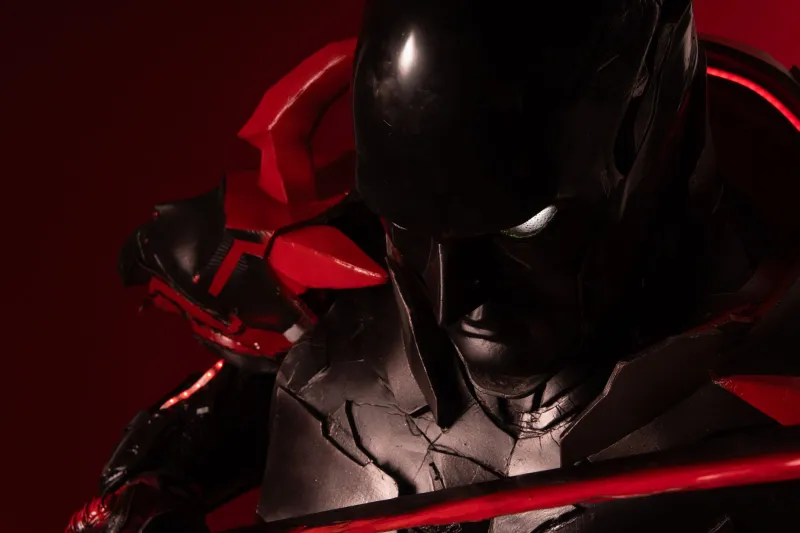
There was a time when anime villains had the decency to be awful. They wanted world domination, they kicked dogs, they laughed at their own cruelty. You knew where you stood. You booed, the hero punched, the credits rolled, and your conscience was completely intact.
That era is gone. And depending on your mood, that's either the best thing to happen to anime storytelling or the most emotionally exhausting development in modern pop culture.
Somewhere along the way — maybe around the time Eren Yeager stopped being the scrappy underdog and started becoming the thing we were supposed to fear — anime decided it was done making things easy for us. The result is a generation of antagonists who don't just challenge the hero. They challenge us.
The Villain Who Has a Point (And You Hate That)
Let's start with the one that broke the fandom wide open: Attack on Titan. For a stretch of its run, Eren Yaeger's transformation from freedom-hungry kid to architect of genocide was the most-discussed character arc in anime fandom. American viewers, especially, couldn't stop arguing about it. Reddit threads ran for thousands of comments. Discord servers split down ideological lines. People were genuinely upset — not because the writing was bad, but because it was good enough to make them understand.
That's the trap these newer shows set. You don't just watch Eren's logic — you follow it. Step by step, grief by grief, betrayal by betrayal. And then you arrive somewhere dark and realize the show walked you there on purpose.
Same trick, different flavor, in Jujutsu Kaisen. Mahito isn't just a monster who hurts people. He's a monster who has developed a coherent philosophy about the nature of the soul, and he delivers it with the casual confidence of someone who has thought it through. Geto Suguru — once a hero — slides into extremism through a slow accumulation of despair that's genuinely tragic to watch. His break from the jujutsu world isn't played for shock. It's played for grief.
And then there's Chainsaw Man, where the moral framework is so deliberately scrambled that calling anyone a villain feels almost naive. Makima operates less like a traditional antagonist and more like a force of ideological seduction — she makes control look like care, and manipulation look like devotion. She's terrifying not because she's powerful, but because she's persuasive.
Why American Audiences Are Especially Shaken
Here's something worth sitting with: Western storytelling, particularly in mainstream American entertainment, has historically been pretty loyal to clean moral hierarchies. Marvel movies gave us color-coded good guys and bad guys for over a decade. Even prestige TV antiheroes like Walter White were carefully framed so we'd eventually understand we were watching a cautionary tale.
Anime doesn't always offer that safety net.
When Jiji-Sama's readers encounter a villain like Geto or Mahito or late-era Eren, there's no authorial hand gently guiding them toward the correct emotional conclusion. The shows present the logic, show the consequences, and then leave you to sit in the discomfort of having partially understood someone who did something unforgivable. That's a different kind of storytelling muscle — and American fans are building it in real time.
The conversations happening in anime communities right now reflect that growth. The discourse isn't "was this character bad?" It's "what does it mean that their reasoning made sense to me?" That's a more sophisticated question, and it's being asked by fans who are genuinely wrestling with it.
The Collapse of Hero Worship
Here's the uncomfortable downstream effect of all this moral complexity: it's getting harder to worship the hero without reservation.
When the villain's ideology is coherent, the hero's victory starts to feel less like a triumph and more like a choice — one among several possible responses to the same broken world. Yuji Itadori punching his way through curses looks different when you've spent time understanding why those curses exist. Denji's survival instincts in Chainsaw Man feel less heroic and more like the only option available to someone who never got to choose.
Older anime gave us heroes we could idealize. Goku wanted to get stronger and protect his friends — clean motivation, easy to root for. Naruto wanted to be recognized and prove his worth — relatable, emotionally resonant, uncomplicated in its core drive. Even when those shows got dark, the moral center held.
Modern anime keeps poking at that center. It asks whether the hero's goodness is a choice or a circumstance. Whether the villain's cruelty was inevitable or constructed. Whether the system the hero is defending is actually worth defending.
That's a lot to carry during what used to be your chill Saturday morning cartoon time.
Sitting With the Discomfort (Jiji Would Insist)
Jiji-Sama has always believed that the best stories don't let you off the hook — and right now, anime is delivering on that promise more than almost any other medium.
The shift toward morally complex antagonists isn't a rejection of heroism. It's a deepening of it. When the villain has a point, defeating them means engaging with that point — not just out-punching it. When the antagonist's pain is real, the hero's victory carries actual weight instead of just spectacle.
For American fans who grew up on cleaner narratives, this is genuinely new territory. And the fact that anime communities are navigating it with such seriousness — debating ethics, arguing about systemic causes, asking uncomfortable questions about complicity — suggests something real is happening in how Western audiences engage with Japanese storytelling.
We're not just watching anymore. We're being asked to think. To feel uncomfortable. To sit with the part of us that understood the villain just a little too well.
Maybe that's the point. Maybe the best antagonists aren't the ones we can dismiss — they're the ones who stick around in our heads long after the credits roll, quietly asking questions we'd rather not answer.
And honestly? Even if it's exhausting, we wouldn't trade it.