"You're Already Dead": A Love Letter to the Unhinged Glory of English Dub Meme Culture
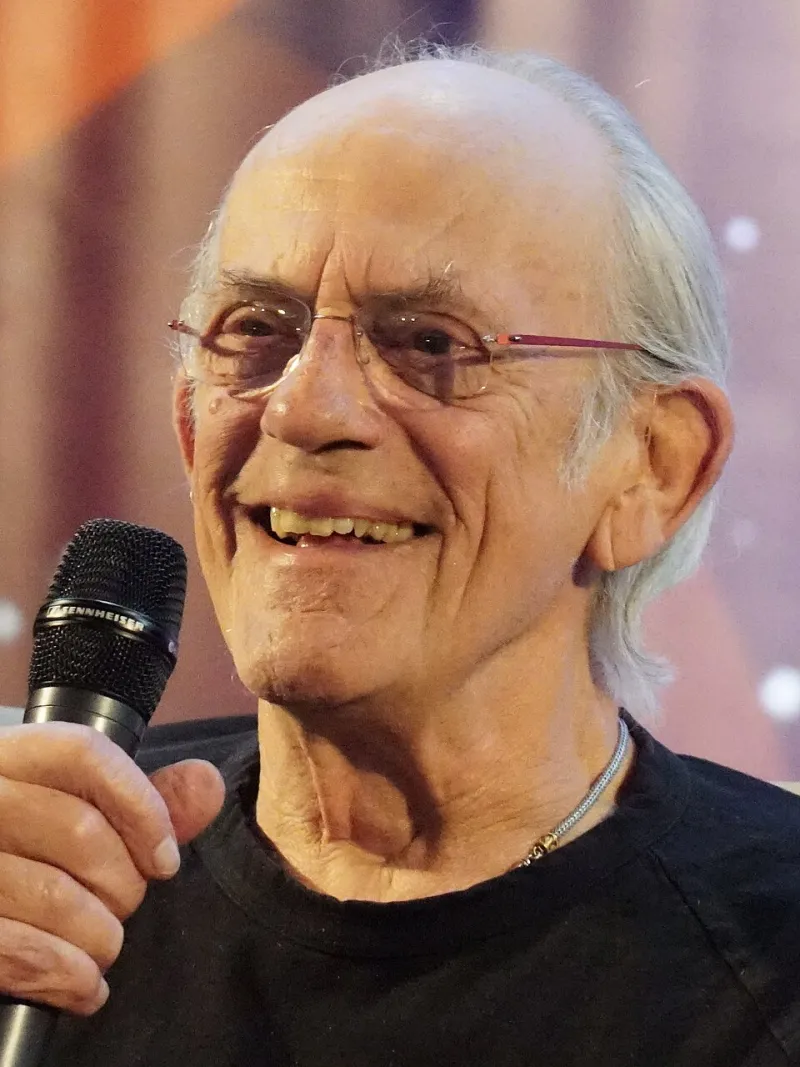
Photo: Miguel Discart, CC BY-SA 2.0, via Wikimedia Commons
If you've ever watched a sub-only anime fan scroll past a dub meme with a politely confused expression, you know the feeling. It's like trying to explain an inside joke that requires years of very specific, slightly chaotic cultural context. You kind of had to be there. And by "there," we mean sitting in front of a TV in the early 2000s watching 4Kids do things to anime that would make a linguist cry.
English dub culture has produced some of the most unhinged, beloved, and genuinely hilarious meme content in all of anime fandom — and a huge chunk of it is completely invisible to anyone who watches with subtitles. Today, we're celebrating that glorious divide.
How Dub Localization Became Accidental Comedy Gold
Let's start at the beginning, which is also the most chaotic chapter: the 4Kids era. For those who weren't there (or who have successfully repressed it), 4Kids Entertainment was the localization company responsible for bringing Pokémon, Yu-Gi-Oh!, and One Piece to American audiences in the late '90s and early 2000s. Their approach to localization was... creative. Rice balls became sandwiches. Guns became finger guns. Death became "the shadow realm."
The shadow realm. For death.
These choices were made for broadcast standards and aimed at young American audiences, but the unintended consequence was comedy. The meme "It's not a gun, it's a finger" lives rent-free in the heads of anyone who grew up watching dubbed Yu-Gi-Oh!, and it's spawned decades of fan art, remixes, and sincere appreciation for just how committed the voice cast was to delivering that absurdity with a straight face.
Sub fans watching the original Japanese version simply don't have this. They got a gun. We got theater.
The Lines That Broke the Internet (In the Best Way)
Fast-forward to the modern era, and dub meme culture has only gotten richer. Funimation, Viz Media, and other major localization studios have leveled up considerably — but with greater craft comes greater opportunity for moments that go unexpectedly viral.
Take the Dragon Ball Z English dub, which gave us decades of meme-worthy content courtesy of voice director Chris Sabat and the legendary Funimation cast. "It's over 9,000!" — originally "It's over 8,000!" in the Japanese version — became one of the most quoted anime lines in American internet history specifically because of the English dub's delivery. That's not a localization error; that's a cultural artifact.
Or consider Sword Art Online's dub, which gave English-speaking fans a slightly more theatrical Kirito that spawned its own genre of ironic appreciation. Dub Kirito has a presence. Sub Kirito is fine. Dub Kirito is a meme.
Then there's the Jojo's Bizarre Adventure English dub — a more recent phenomenon — which has become beloved for leaning fully into the series' inherent absurdity. "Oh? You're approaching me?" hits differently in English when the voice cast clearly understood the assignment.
Voice Actors Know Exactly What They've Done
Here's the part that makes dub meme culture even better: the voice actors are often completely in on it.
Christopher Sabat, who voices Vegeta and All Might (among many others), has talked openly in interviews and convention panels about how certain line readings became cultural moments. He's embraced the memes. Caitlin Glass, Monica Rial, and other Funimation veterans regularly engage with fan clips on social media, reacting to viral moments with the kind of affectionate humor that only comes from knowing your work has genuinely connected with people.
There's something really special about that. The best dub memes aren't laughing at the voice actors — they're laughing with them, celebrating performances that were either deliberately elevated or accidentally perfect in ways nobody saw coming.
One fan on Reddit put it well: "Dub memes are like bloopers that made it into the final cut and somehow became the best part of the movie."
The Sub-Dub Divide, Meme Edition
Let's be real: the sub vs. dub debate has mellowed out considerably in recent years (we've written about that!), but the meme gap is still very real — and it cuts both ways.
Sub fans have their own meme culture rooted in Japanese wordplay, honorifics, and cultural references that get smoothed over in localization. "Ara ara" is funnier in Japanese context. Certain honorific-based jokes lose something in translation. That's fair.
But dub fans have something sub fans categorically cannot access: the specific flavor of American voice acting choices, regional personality, and localization decisions that sometimes produce something entirely new. The English dub of Ghost Stories — a deliberately loose, improvisational localization that became legendary for its unhinged humor — is completely its own thing. Sub Ghost Stories is a middling horror anime for kids. Dub Ghost Stories is a masterpiece of chaos that fans still quote today.
These aren't competing cultures. They're parallel ones. And both are richer for existing.
Why This Stuff Actually Matters
Meme culture is how communities mark themselves. It's shorthand, it's identity, it's the way fans say "you were there, weren't you?" to each other across the internet. Dub meme culture in particular carries a lot of the history of how anime entered American mainstream consciousness — through Saturday morning cartoons, Toonami blocks, DVD releases, and the specific experience of watching Japanese stories filtered through American voices and sensibilities.
That's not a lesser experience. It's a different one, with its own texture, its own jokes, its own moments of accidental brilliance.
At Jiji-Sama, we're big believers in the idea that there are many ways to love Japanese pop culture, and none of them require a purity test. If your entry point was 4Kids One Piece and you're still here, that's a beautiful thing. If you grew up on Toonami's Funimation dubs and can recite Vegeta's best lines from memory, welcome home.
In Closing: Embrace the Chaos
Dub meme culture is messy, specific, sometimes historically embarrassing (we see you, 4Kids One Piece), and absolutely irreplaceable. It's the product of decades of translators, directors, and voice actors trying to bring Japanese stories to American audiences — sometimes brilliantly, sometimes hilariously, always memorably.
So the next time a sub fan looks at your dub meme folder with polite confusion, just smile. Some jokes are earned through experience. You put in the hours. You watched the dub. You were there.
And honestly? The shadow realm built character.